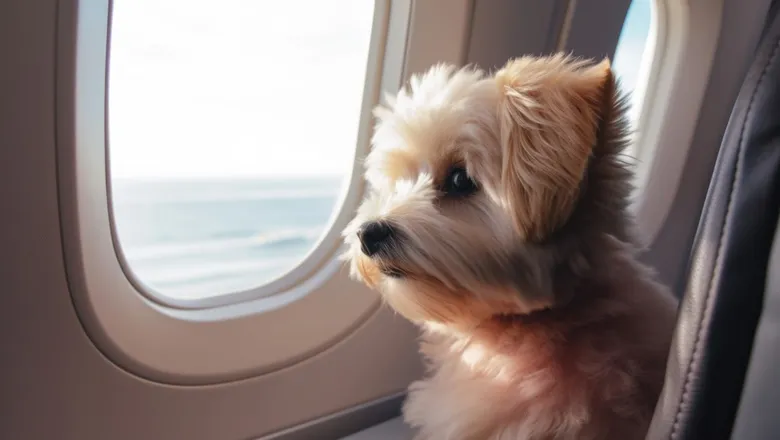
What every pet owner should know before flying
Rules vary significantly between carriers. Many airlines restrict certain breeds, particularly brachycephalic (flat-faced) dogs and cats, due to the respiratory risks associated with air pressure changes. Size and weight limits also differ, determining whether your pet can travel in the cabin or must go in the hold as cargo. Fees are typically tied to your pet’s size and how they travel. Use the airline table below to compare policies, pricing, and restrictions before you book.
At a minimum, you will generally need proof of vaccinations, a pet passport (mandatory for travel within the EU and Schengen Area), and evidence of microchipping. Some destinations require additional health certificates issued by a licensed vet, and certain countries impose quarantine periods on arrival. Always verify the requirements of your specific airline and destination well before departure, and carry all documentation in both your language and English to avoid complications at the border.
A well-prepared travel kit for your pet should include:
- Food and water bowls. Collapsible versions are ideal for saving space
- Sufficient food for the entire duration of the trip, plus a small reserve
- Lead and harness (keep a spare in your hand luggage)
- Familiar toys or comfort objects to reduce anxiety in unfamiliar surroundings
- Any prescribed medications with documentation from your vet
- Vaccination records and travel documents
- An airline-approved travel carrier your pet is comfortable in before the journey
- A pet-specific first-aid kit for minor emergencies
Air travel can be stressful for animals, particularly on longer routes. The most effective approach is gradual preparation: familiarise your pet with their carrier in the weeks before travel so it feels like a safe space, not a confinement. On the day, bring familiar-scented bedding, toys, or clothing to provide comfort. Calming sprays or vet-prescribed sedatives may help in cases of significant anxiety, but always consult your vet before using any product. Your own composure matters too; pets are highly attuned to their owner’s stress levels. Treats and gentle distraction can help ease the experience.
Yes, it is a sensible precaution, particularly for international trips. Veterinary costs abroad can be substantial, and a policy that covers travel-related incidents gives you a meaningful safety net. Read the terms carefully to confirm the policy covers the specific countries on your itinerary and the type of travel involved (air, rail, or car). Some standard pet insurance plans include travel cover as a default; others require it as an add-on.
This is every pet owner’s greatest fear, particularly when an animal is transported in the hold. Prevention is the priority: ensure your pet is microchipped and wearing a secure collar with current contact details. Confirm before boarding that the airline’s handling procedures are robust. In the event of an incident, report it to the airline immediately, contact local animal control or shelters at your destination, and use social media and local lost-pet networks as quickly as possible.
Before you arrive, research the local rules that apply to pets. These include lead and muzzle requirements, breed-specific legislation (which can vary significantly across EU member states), and restrictions on where animals are permitted in public spaces. It is also worth identifying the nearest veterinary clinic and out-of-hours emergency animal hospital to where you are staying, so you are not searching in an unfamiliar language under pressure if something goes wrong.